
MS Brain Health newsletter – October 2025
Dear Supporters
- MS Brain Health at ECTRIMS 2025
- New infographics to support local advocacy
- A tool to benchmark your clinical standards
MS Brain Health at ECTRIMS 2025
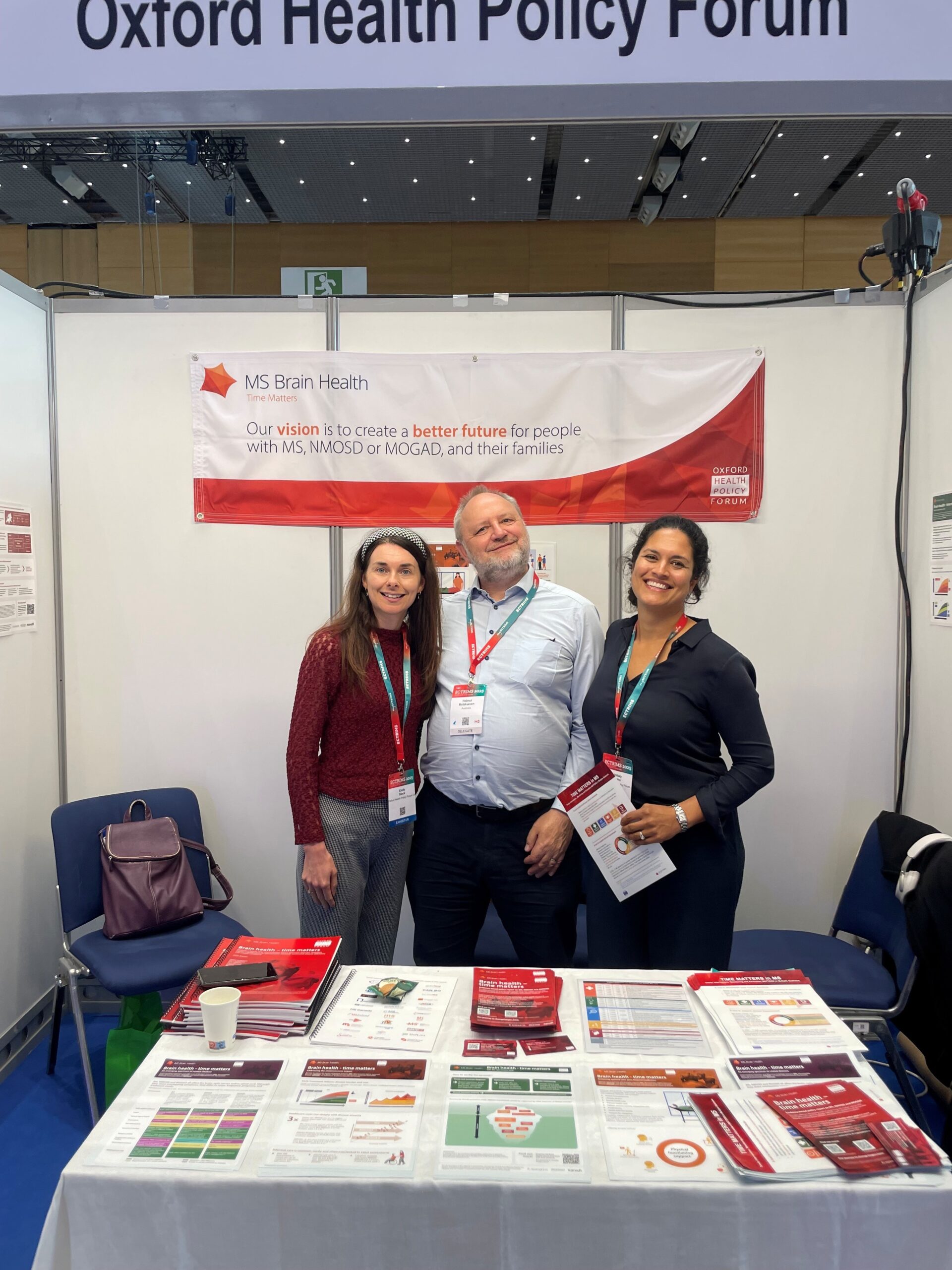
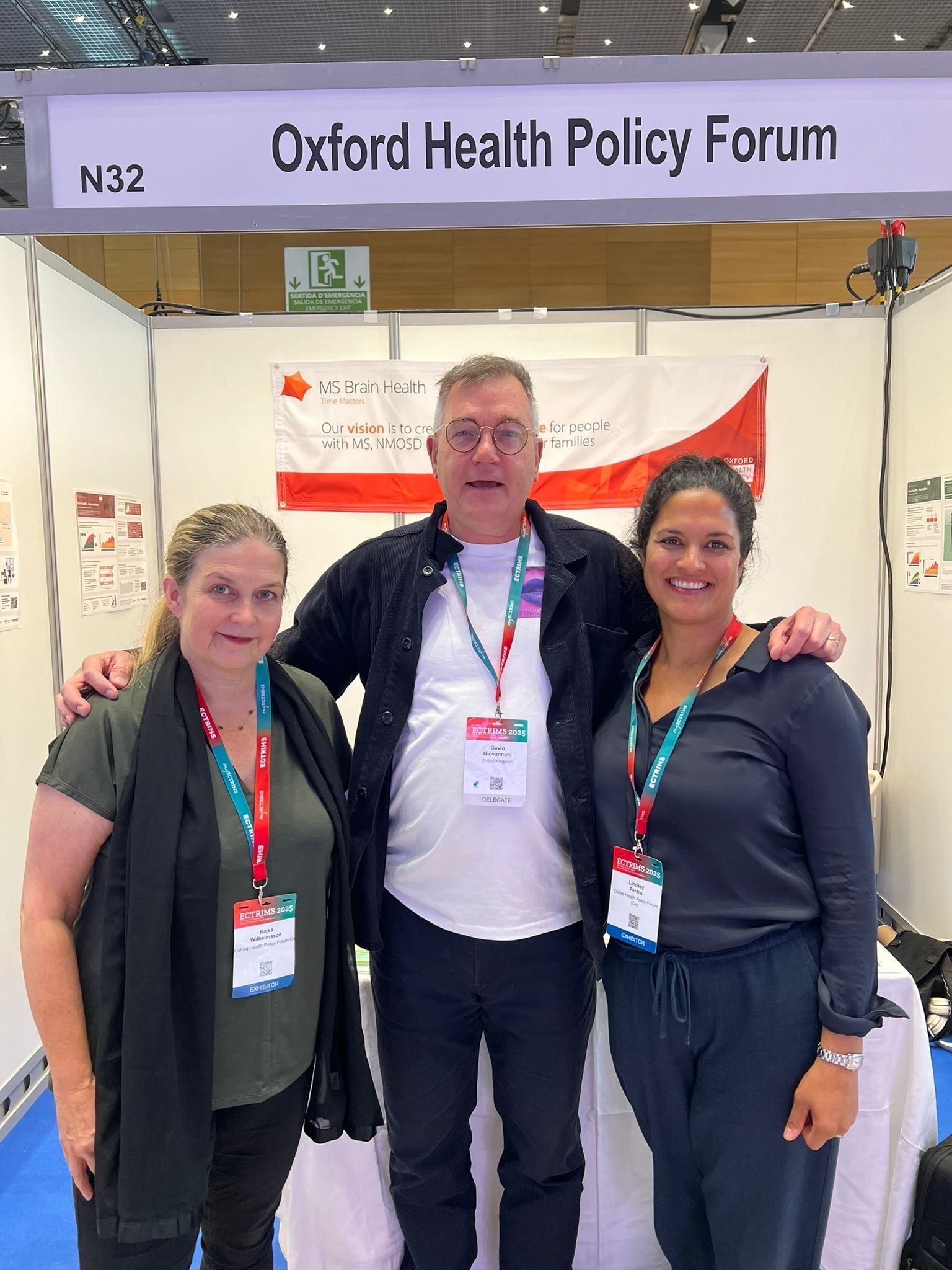
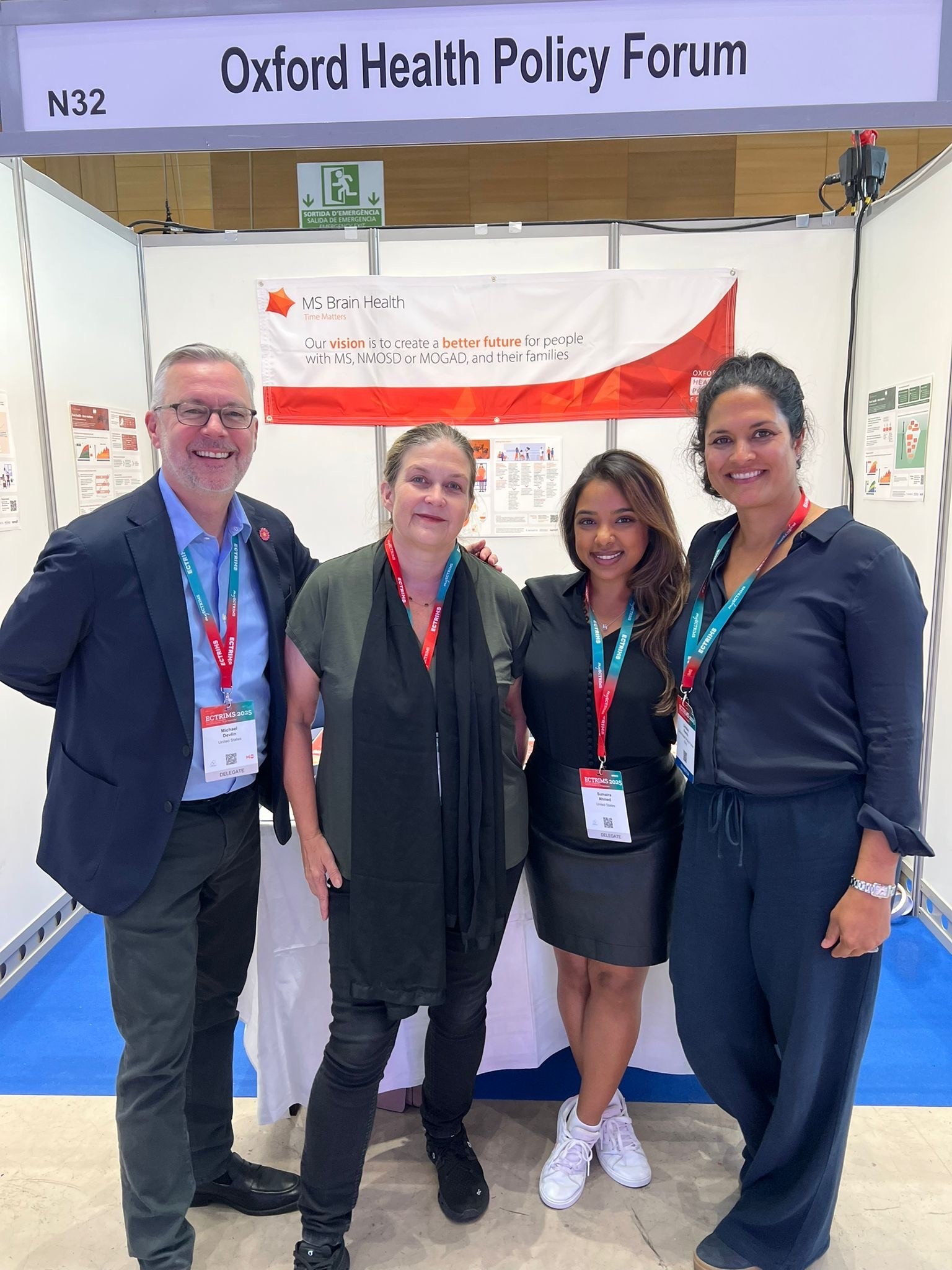
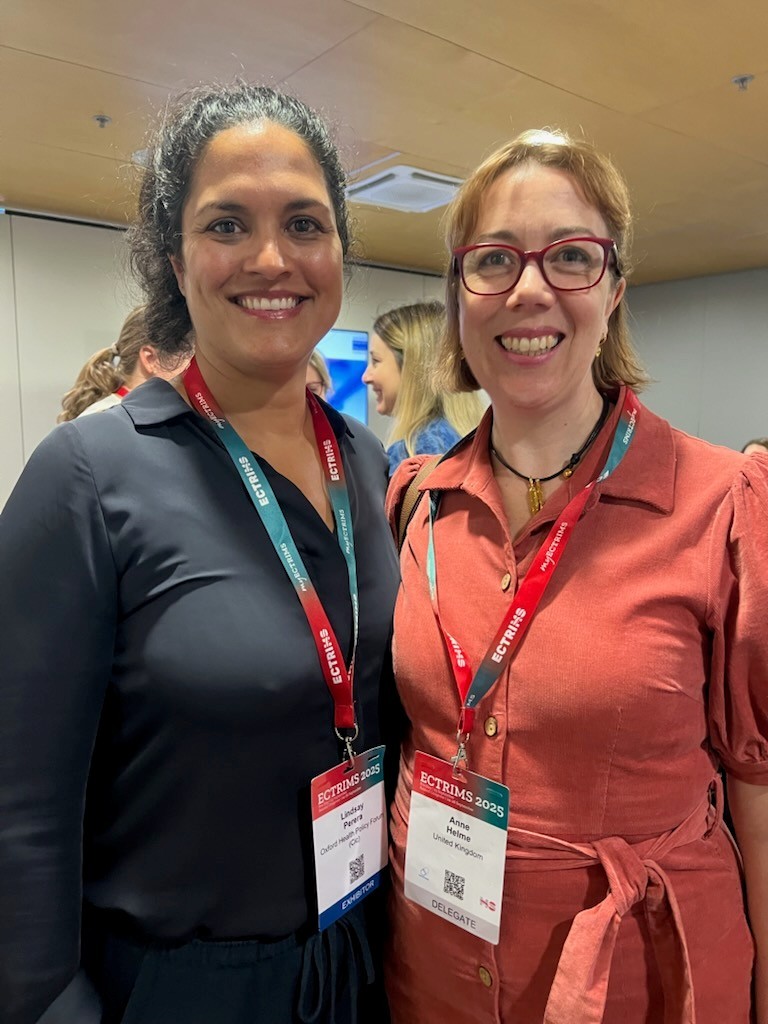
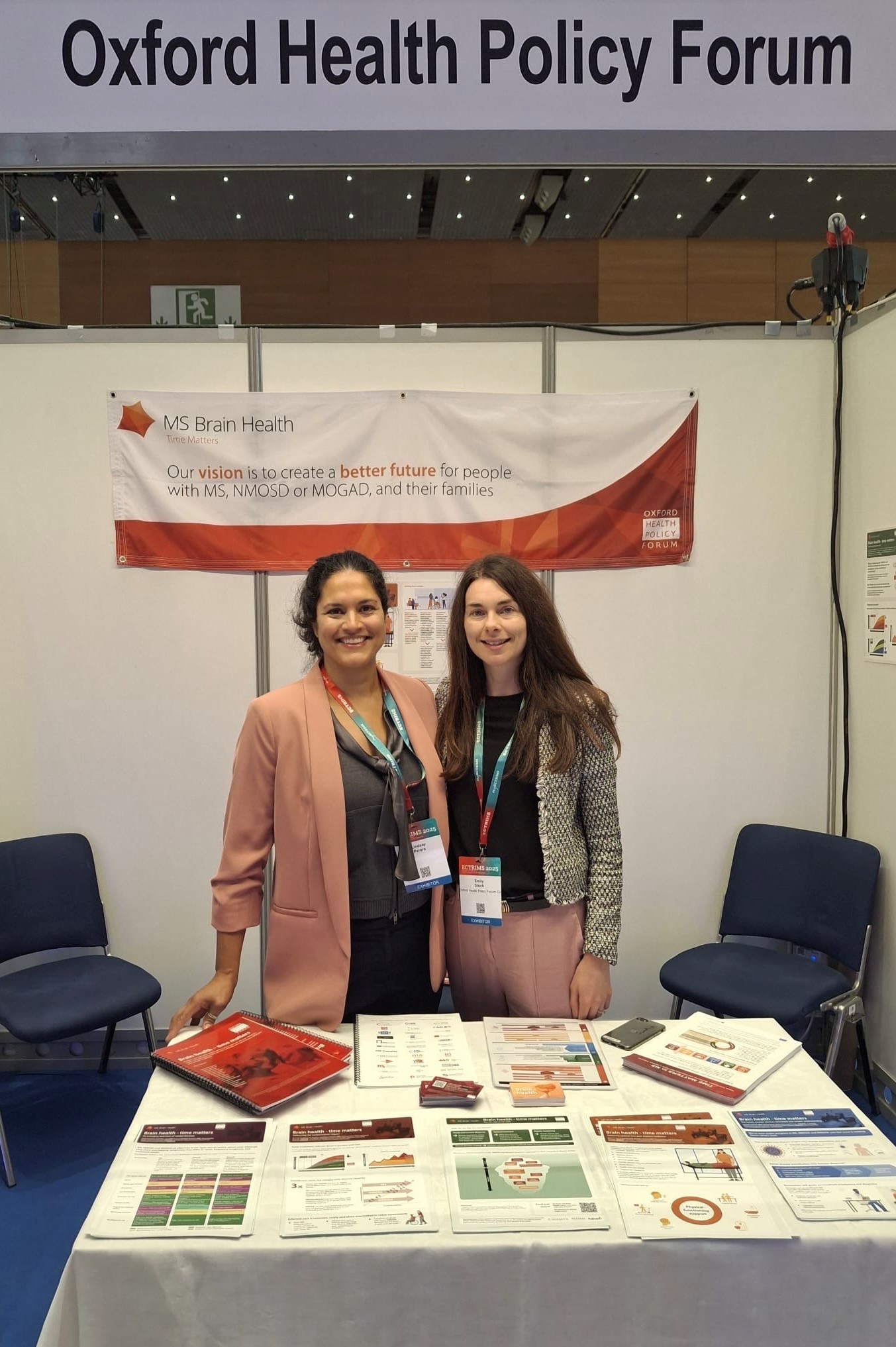
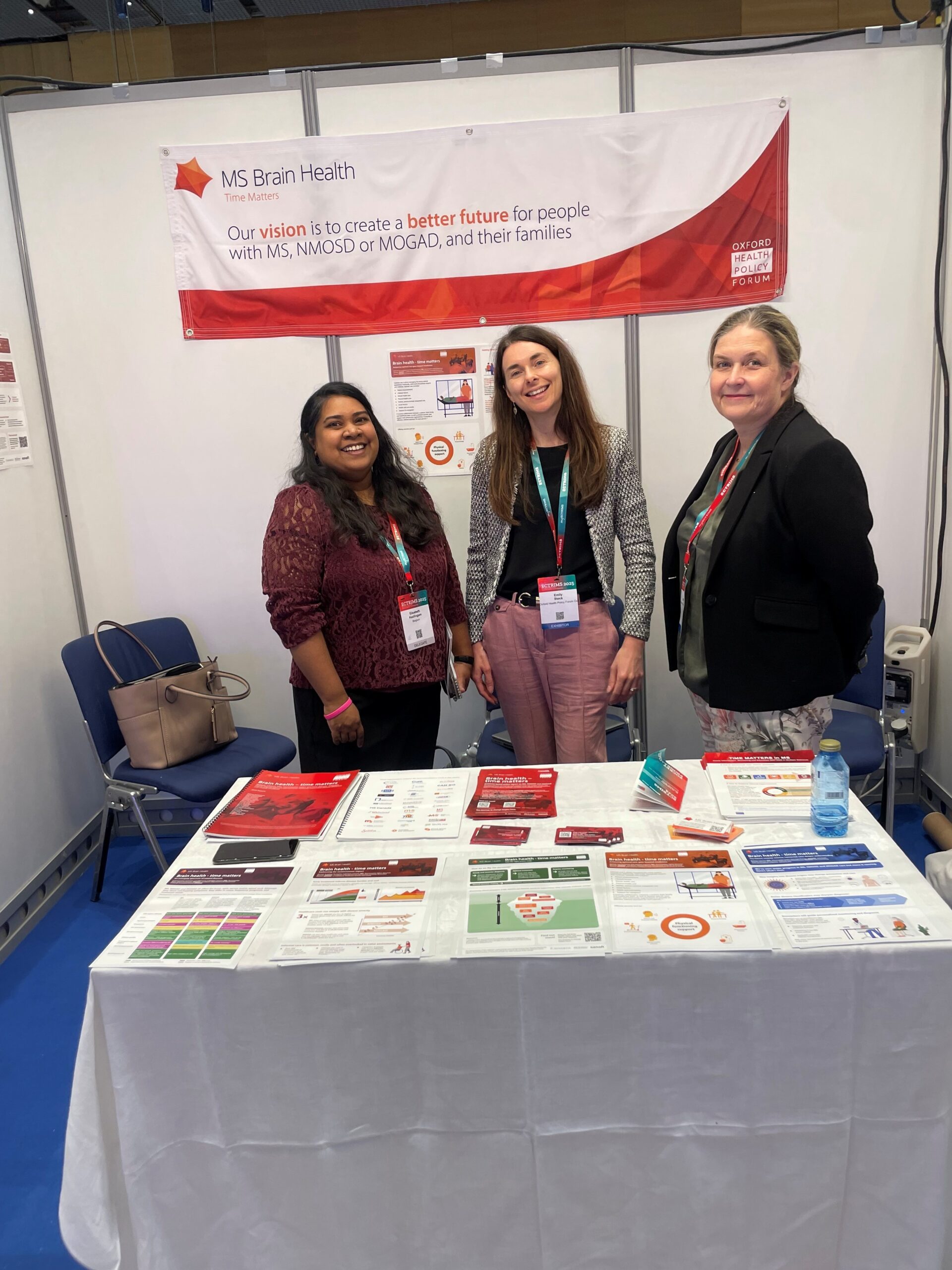
We were thrilled to be at ECTRIMS 2025 in Barcelona last week. Thank you to all who visited our stand – it was great to see so many of our supporters and to hear what you are doing locally to promote best practice in MS care. We also welcome those who have signed up as new MS Brain Health champions!
New infographics to support local advocacy
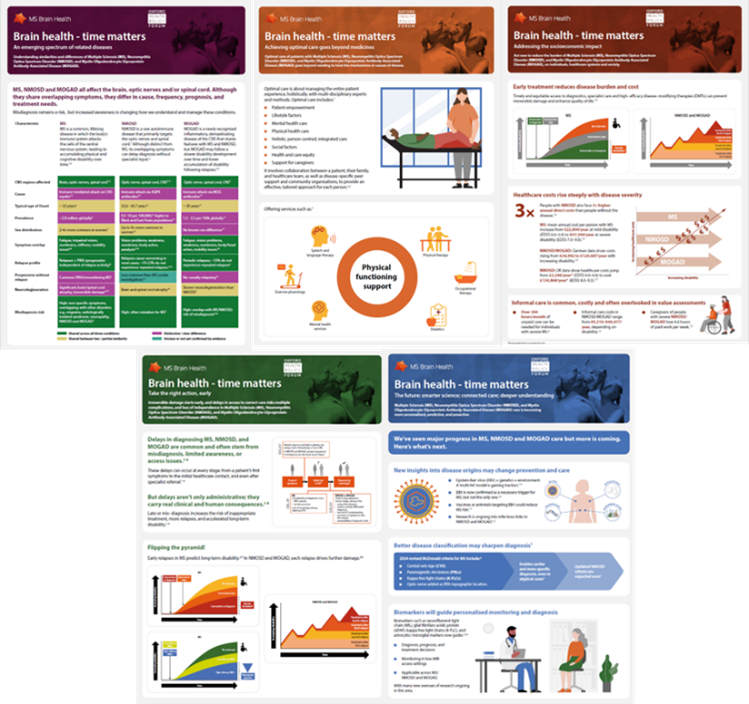
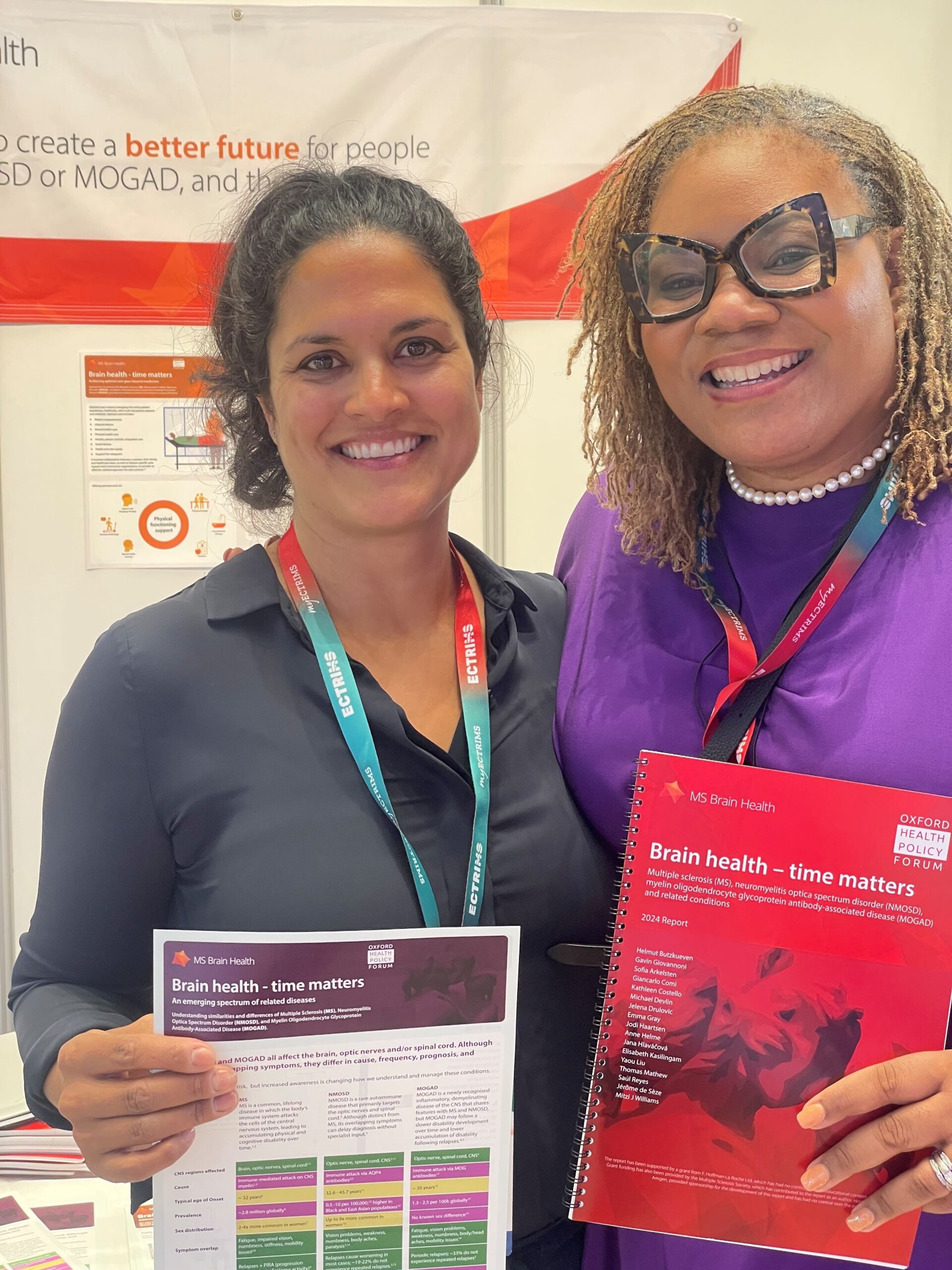
Those of you who visited our stand last week will have seen and picked up our new infographics. These were developed to facilitate the communication of key messages and recommendations from the Brain Health – time matters 2024 report to a range of audiences. They are available on our website to download and use to support your local advocacy efforts. Please do share widely among your networks!
There are five double-sided A4 infographics summarizing the key messages from individual report chapters:
- An emerging spectrum of related diseases – Understanding the differences between MS, Neuromyelitis Optica Spectrum Disorder (NMOSD), and Myelin Oligodendrocyte Glycoprotein Antibody-Associated Disease (MOGAD) can ensure a person is diagnosed correctly and receives appropriate treatment
- Addressing the socioeconomic impact – Formal and informal healthcare and societal costs associated with a diagnosis of MS, NMOSD and MOGAD increase significantly over time. Effective treatment strategies can reduce that burden. Evaluating the cost of new treatments needs to acknowledge the clinical, economic, societal and human impact for better health
- Take the right action, early – Irreversible damage starts early, and delays in access to optimal care risks multiple complications, and the loss of independence for people living with MS, NMOSD and MOGAD
- Achieving optimal care goes beyond medicines – Optimal care is about managing the entire patient experience, holistically, with multi-disciplinary experts and methods
- The future: smarter science; connected care; deeper understanding – By integrating new science, digital tools, and the lived experience of people with MS, NMOSD and MOGAD, we can delay or prevent progression and deliver timely, person-centred care and support.
A tool to benchmark your clinical standards |
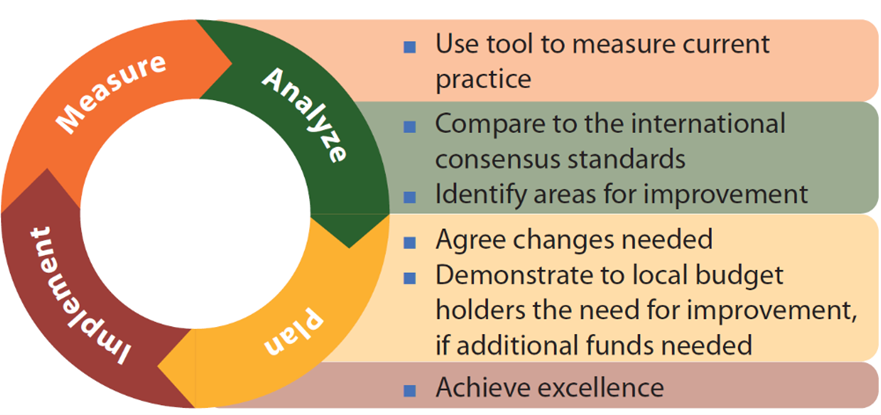
At our booth at ECTRIMS we were also able to speak to delegates about our quality improvement tool.
This tool applies the MS Brain Health consensus standards, allowing MS centres to benchmark the care they provide and identify service gaps on which to focus improvements.
In 2021, 17 MS centres from 14 countries trialled the MS Brain Health quality improvement (QI) tool (in Excel format) to assess its applicability for service improvement in different healthcare settings. Local analysis of results from the pilot study led to improvements in clinical practice in many of those centres.
In 2026, we anticipate work will begin to develop this prototype into a web-based offering that can support routine clinical practice. We hope that the next iteration of the tool will be used by MS centres globally to help improve health outcomes for people with MS.
Watch this space for further updates!
Please continue to follow us on LinkedIn to keep up with the latest news. Thank you from the MS Brain Health team for your continuing support and participation.
The dissemination of this material is supported by sponsorship funding from Novartis Pharma AG, Alexion, AstraZeneca Rare Disease, and a grant from Sanofi. No company had editorial control, influence over the content or involvement with any other elements of the activity.